This practice approaches architectural space not as a bounded object, but as a constellation of events continuously responsive to context and capable of intensifying the experience of presence. Spaces that accommodate acts of gathering or contemplation are understood as temporal conditions, shaped by shifts in time, season, atmosphere and mood. Rather than enforcing rigid separations, boundaries are softened to allow interior and exterior to interpenetrate, enabling natural elements light, wind, rain and vegetation to intersect with human occupation. Architecture, in this reading, emerges less as a fixed form than as a lived and evolving choreography, produced through ongoing exchanges among structure, environment and human presence.
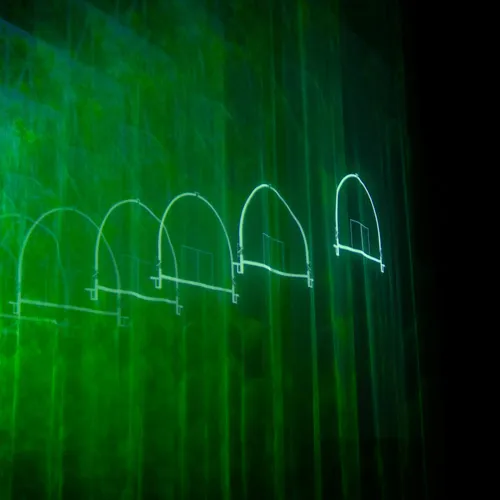
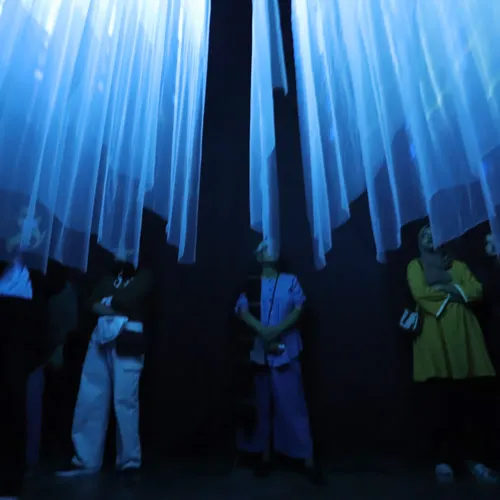
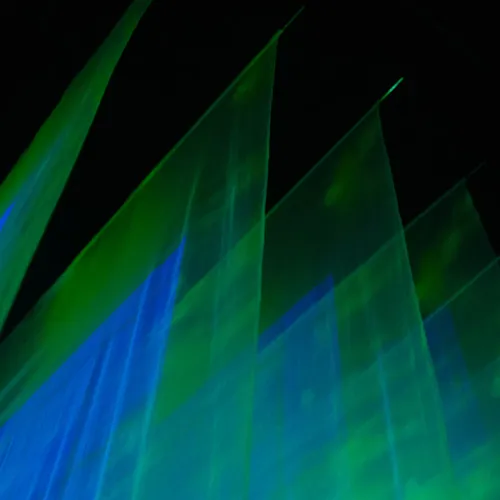
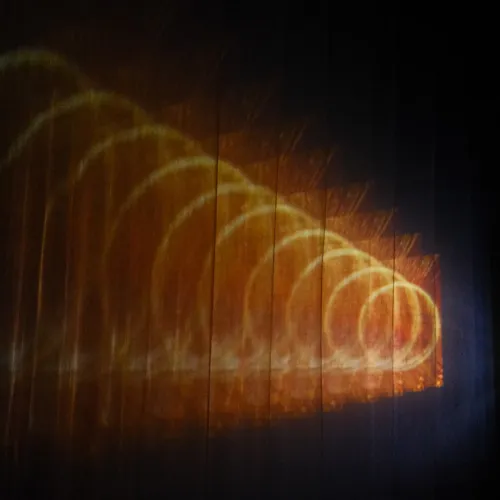
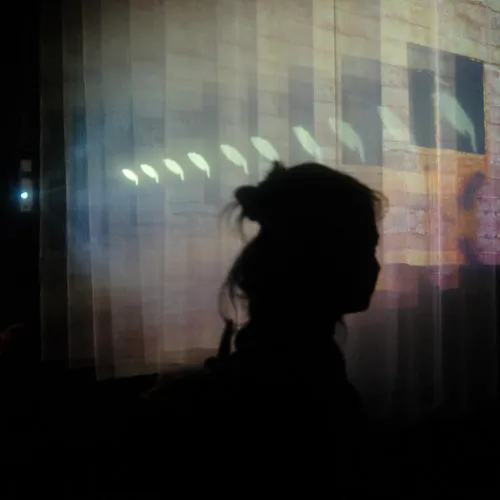
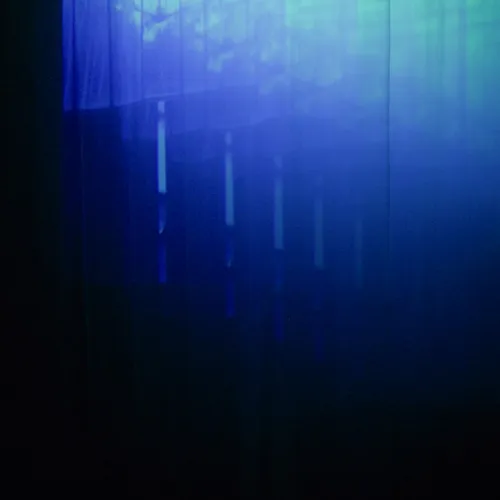
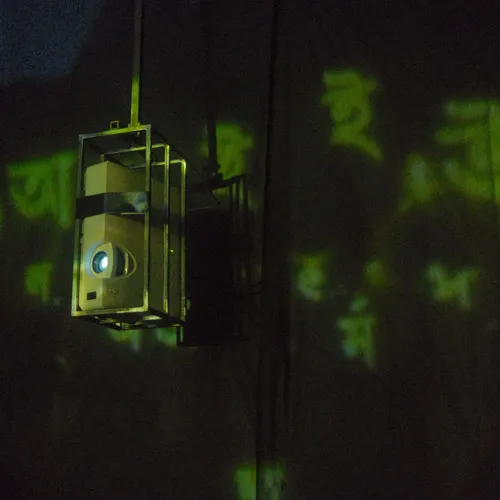
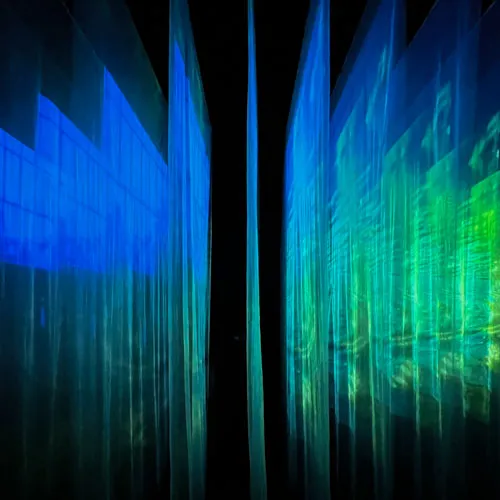
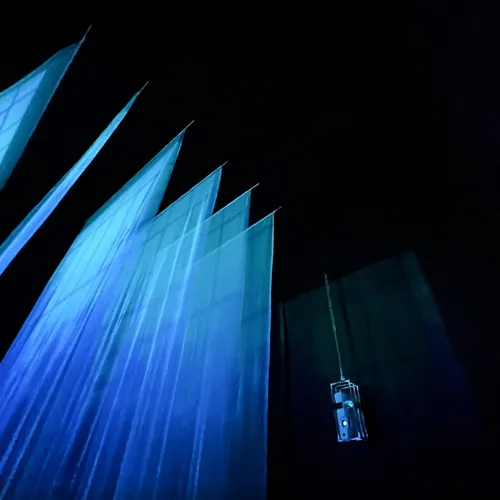
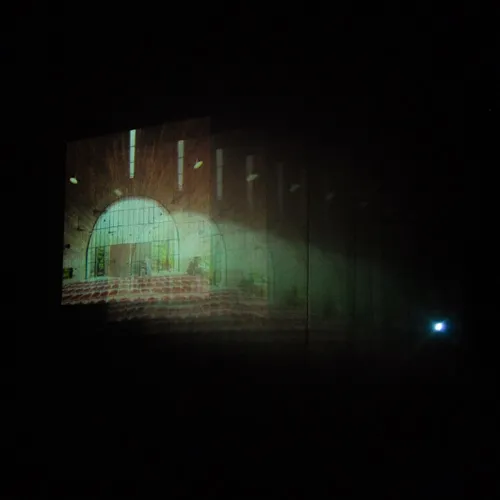
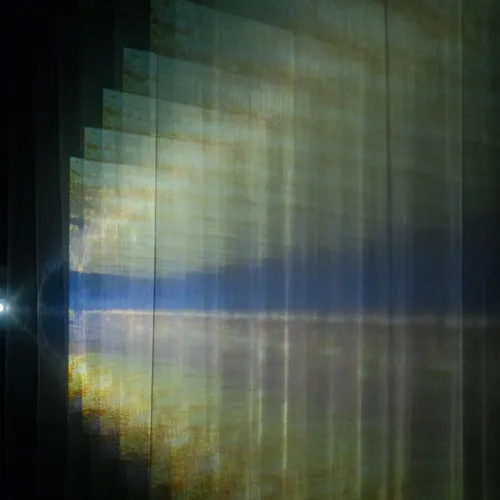
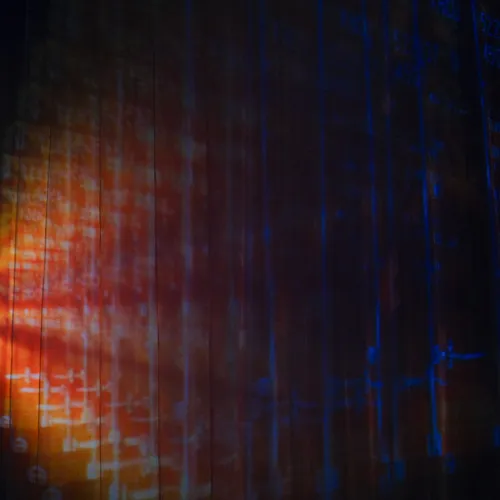
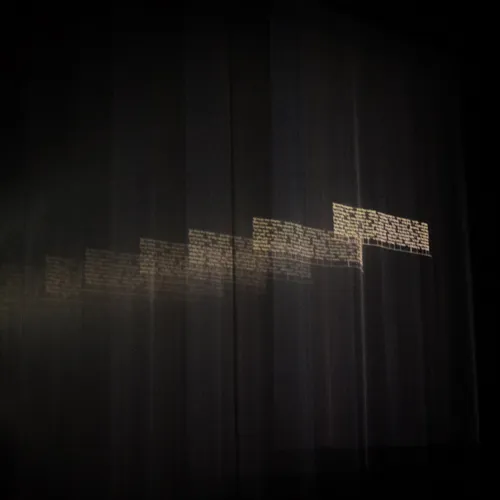
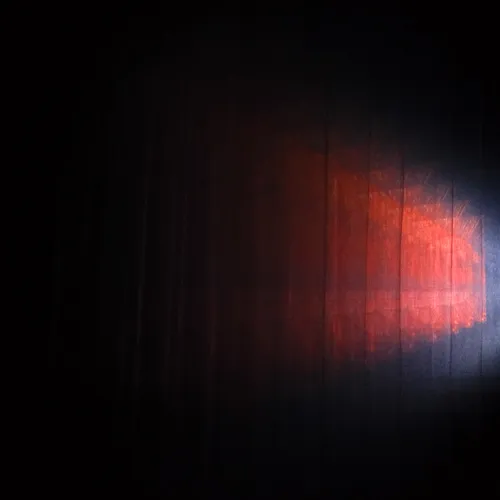
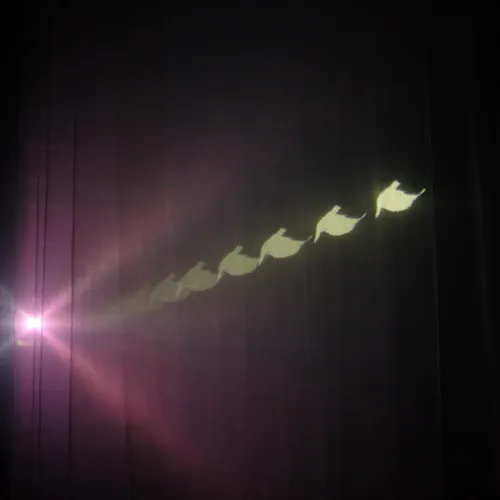
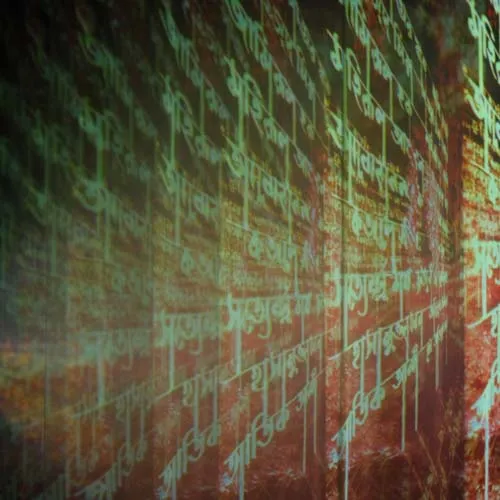
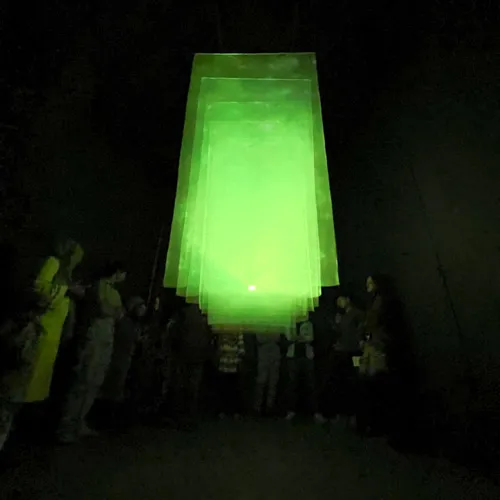
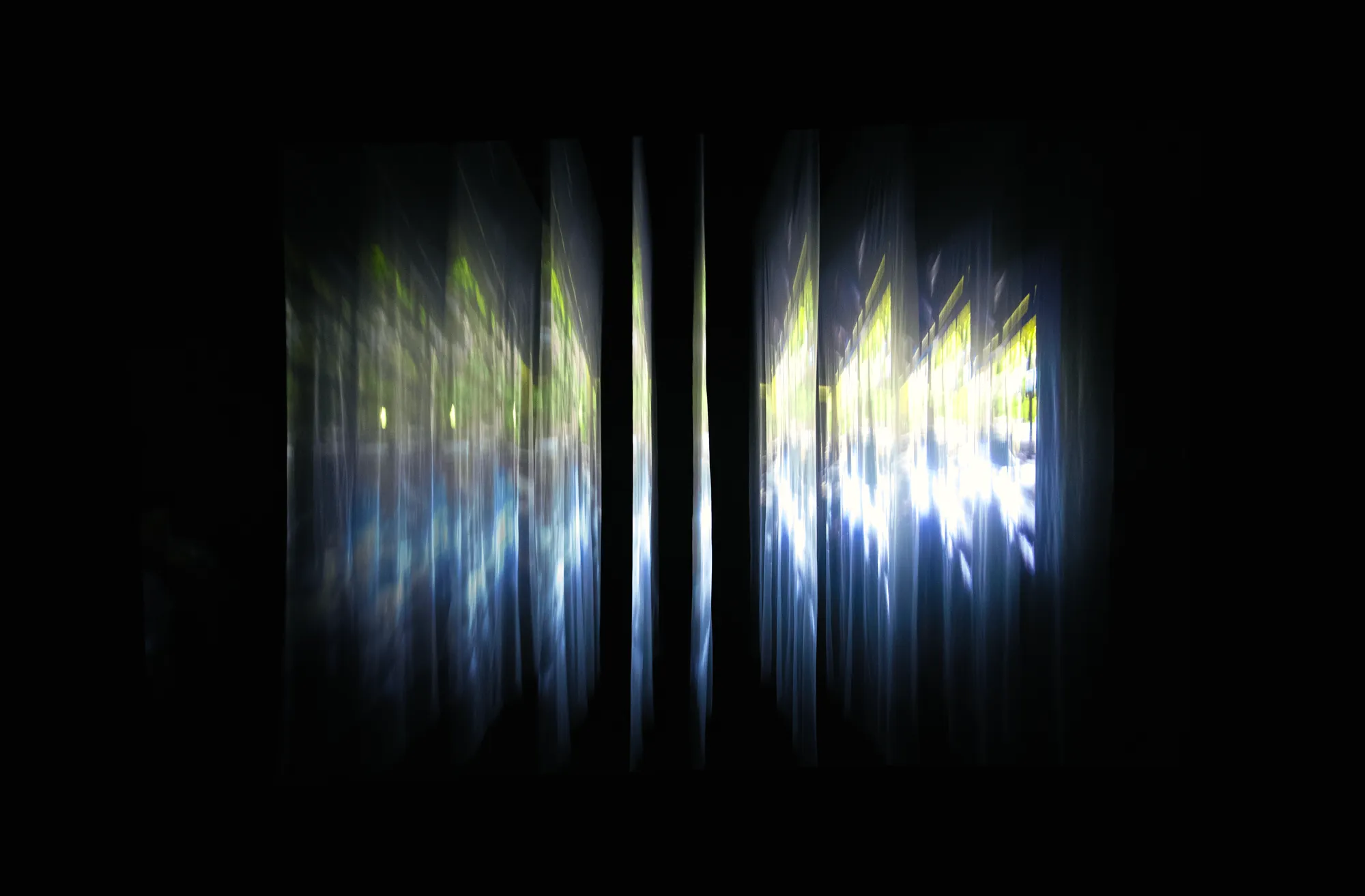
This understanding of space is translated into the exhibition through an installation composed of multiple, overlapping layers. Certain layers register environmental forces and natural phenomena, while others engage human events alongside architectural form, spatial sequences and constructed surfaces. Distributed across these layers, a series of projections gradually assembles an architectural condition in which environment, built space and lived events converge. As images overlap and interact, the installation enacts the central proposition of Fida’s work: that architectural space is never static, but is continuously shaped through negotiation between material structure, environmental processes and the rhythms of human life.